B.Arch and B.Des may both fall under design education, but the skills they teach and the careers they lead to differ significantly. One prepares students to design buildings and manage architectural projects, while the other opens paths in product design, graphic design, fashion, and digital experiences.
But which degree offers better job opportunities, higher salaries, and stronger career prospects?
This roundup compares course duration, subjects, practical work, job roles and salary data to help you choose.
Bachelor of Architecture vs Bachelor of Design comparison at a glance
Both degrees offer career opportunities in the design industry, but they differ in what students learn, the projects they handle, and the industries they can enter. Here is a quick comparison of the key differences.
| Comparison factor | B.Arch | B.Des |
|---|---|---|
| Full form | Bachelor of Architecture | Bachelor of Design |
| Typical course duration | 5 years | 4 years |
| Main focus | Building design, construction, and space planning | Product, visual, fashion, and digital design |
| Learning approach | Architectural drawings, building models, construction planning, and site projects | Design research, prototyping, creative projects, and user experience |
| Popular specialisations | Sustainable architecture, urban planning, landscape architecture | UX/UI design, product design, graphic design, fashion design |
| Common tools | AutoCAD, Revit, SketchUp, Rhino | Figma, Photoshop, Illustrator, Blender |
| Career options | Architect, architectural designer, interior architect, CAD technician | UX designer, product designer, graphic designer, interior designer |
| Salary range in India | ₹3.9 lakh to ₹8 lakh annually across selected roles | ₹4.2 lakh to ₹15.9 lakh annually across selected roles |
| No. of jobs on LinkedIn (Nov 2026) | 51,306 architecture jobs | 1,431 designer jobs |
| Best suited for | Students interested in buildings, construction, and physical spaces | Students interested in creative problem solving, products, and digital experiences |
Let’s compare in different areas one by one.
1. Job roles
B.Arch graduates can work as architects, architectural designers, interior architects, and CAD technicians. B.Des graduates can pursue roles such as UX designers, product designers, graphic designers, and interior designers. The main difference is that B.Arch roles focus on buildings and physical spaces, while B.Des roles cover products, visual communication, and digital experiences.
What does a B.Arch student actually do?
A Bachelor of Architecture student learns how to plan, design, and develop buildings and other physical spaces. The course combines creative design with subjects such as construction technology, building materials, structural systems, and environmental planning.
During the course, students work on design projects, prepare technical drawings, build architectural models, and study how people use buildings. They also learn to use tools such as AutoCAD, Revit, and other 3D modeling software.
Typical activities include:
- Designing buildings: Creating layouts and architectural concepts for homes, offices, schools, commercial buildings, and public spaces.
- Preparing technical drawings: Developing floor plans, elevations, sections, and construction drawings.
- Creating 3D models: Using digital tools to visualize buildings and present design concepts.
- Studying construction materials: Understanding how concrete, steel, wood, glass, and other materials affect building design.
- Planning spaces: Ensuring buildings provide good movement, lighting, ventilation, safety, and accessibility.
- Working on site projects: Learning how architects coordinate with engineers, contractors, and clients during construction.
The B.Arch curriculum also covers building services, architectural history, urban design, landscape planning, and sustainable architecture. Experts say this degree takes five years to complete in India.
Want to build practical skills beyond your B.Arch degree?
A B.Arch degree gives students a foundation in architectural design, construction, and space planning. However, learning industry tools can help them apply these concepts to real architectural projects.
ASDAV’s online Revit & BIM certification course for Architects offers 12 weeks of live, instructor-led training in Revit, BIM workflows, architectural modelling, and technical documentation.
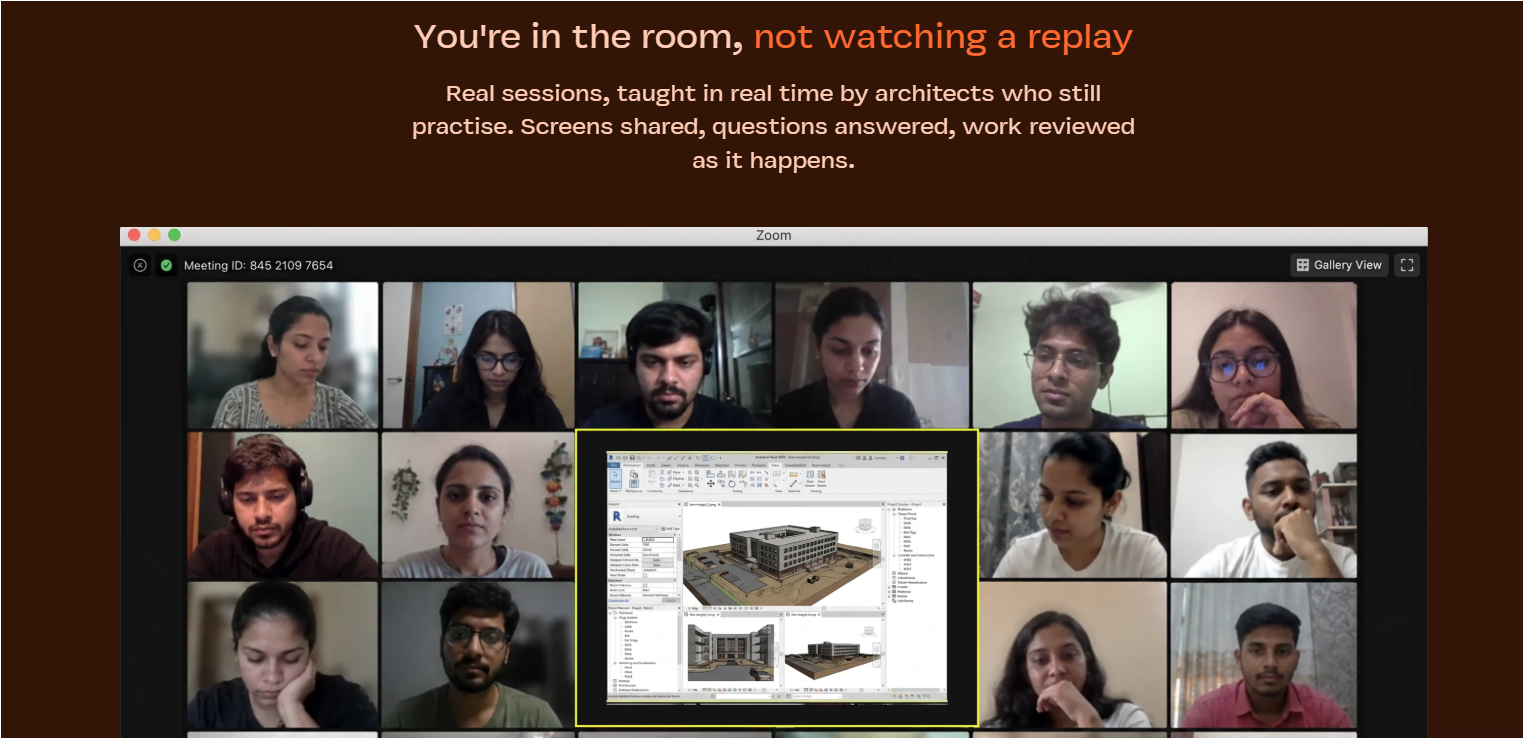
Students also work on real-life case studies and learn about collaboration, clash detection, and advanced BIM processes.
This can help architecture students and graduates develop practical skills for professional architectural work.
What does a B.Des student actually do?
A Bachelor of Design student learns to solve problems through creative thinking, research, and practical design work. Depending on their specialization, they may work on product design, graphic design, fashion, UI/UX, or communication design projects.
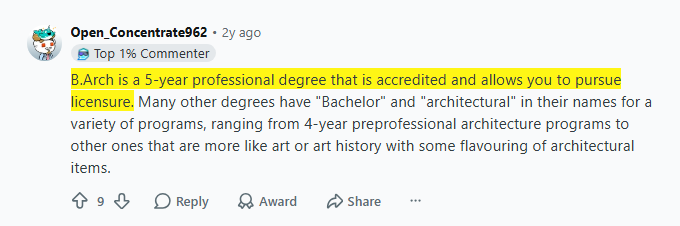
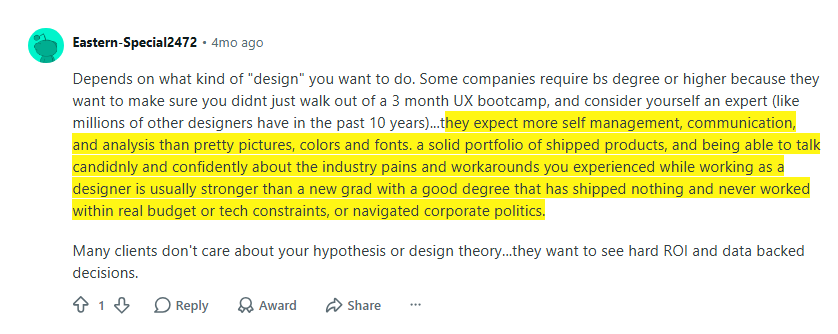
A Reddit discussion among designers highlights an important point which says employers often look beyond a design degree when hiring. They want candidates who can demonstrate practical experience through a portfolio of completed projects. They also expect designers to understand industry challenges, manage their work independently, and explain how their decisions deliver measurable business results.
During the course, B.Des students typically:
- Conduct user research: Understand customer needs, preferences, and problems before developing design concepts.
- Develop design concepts: Create sketches, wireframes, mood boards, and visual concepts.
- Build prototypes: Turn initial ideas into physical or digital models and test how they work.
- Work on practical projects: Solve design problems while considering budgets, technical limits, and user requirements.
- Create a design portfolio: Document their projects, design decisions, and final outcomes to demonstrate their skills to employers.
- Present design decisions: Explain their ideas, collect feedback, and make improvements based on research and testing.
In simple words, B.Des students develop both creative and practical skills. Their ability to apply design knowledge to real problems plays an important role in their career development.
Interested in specialising in interior design?
Students who choose B.Des with an interest in interior design can strengthen their practical skills through specialised training.
ASDAV’sInterior Design Certification Course is a 24-week programme that covers residential and commercial interior design, space planning, furniture layouts, material selection, lighting, and technical drawings.
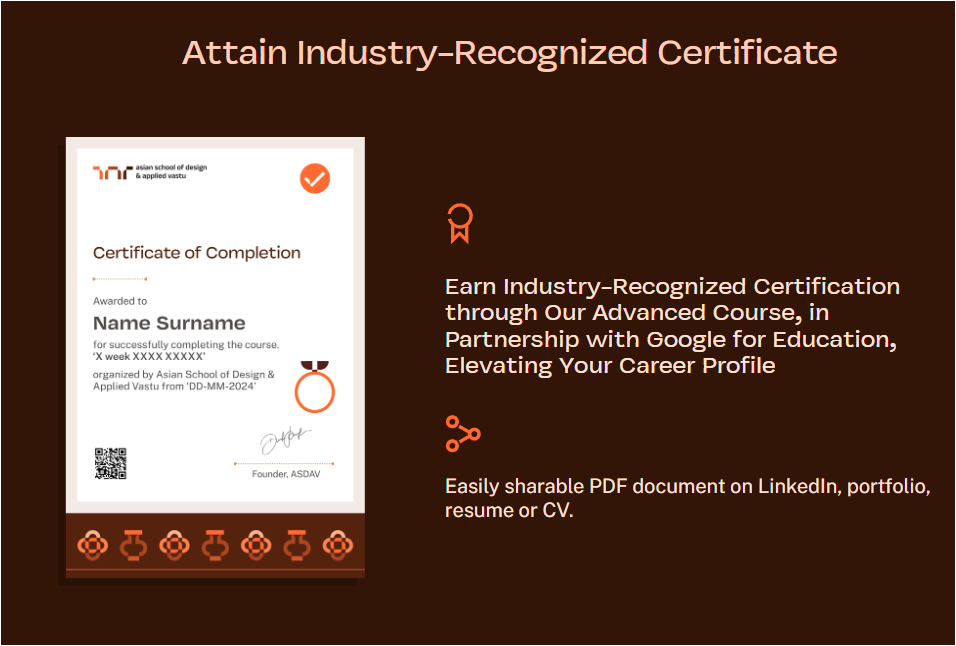
Students at ASDAV also learn tools such as AutoCAD, SketchUp, and Lumion while working on real-life design projects.
2. Salary comparison
B.Arch graduates often work in architecture, building design, and construction-related roles. B.Des graduates can enter fields such as UX, product, graphic, and interior design, where salaries vary widely by specialization.
What is the average annual salary of Bachelor of Architecture students?
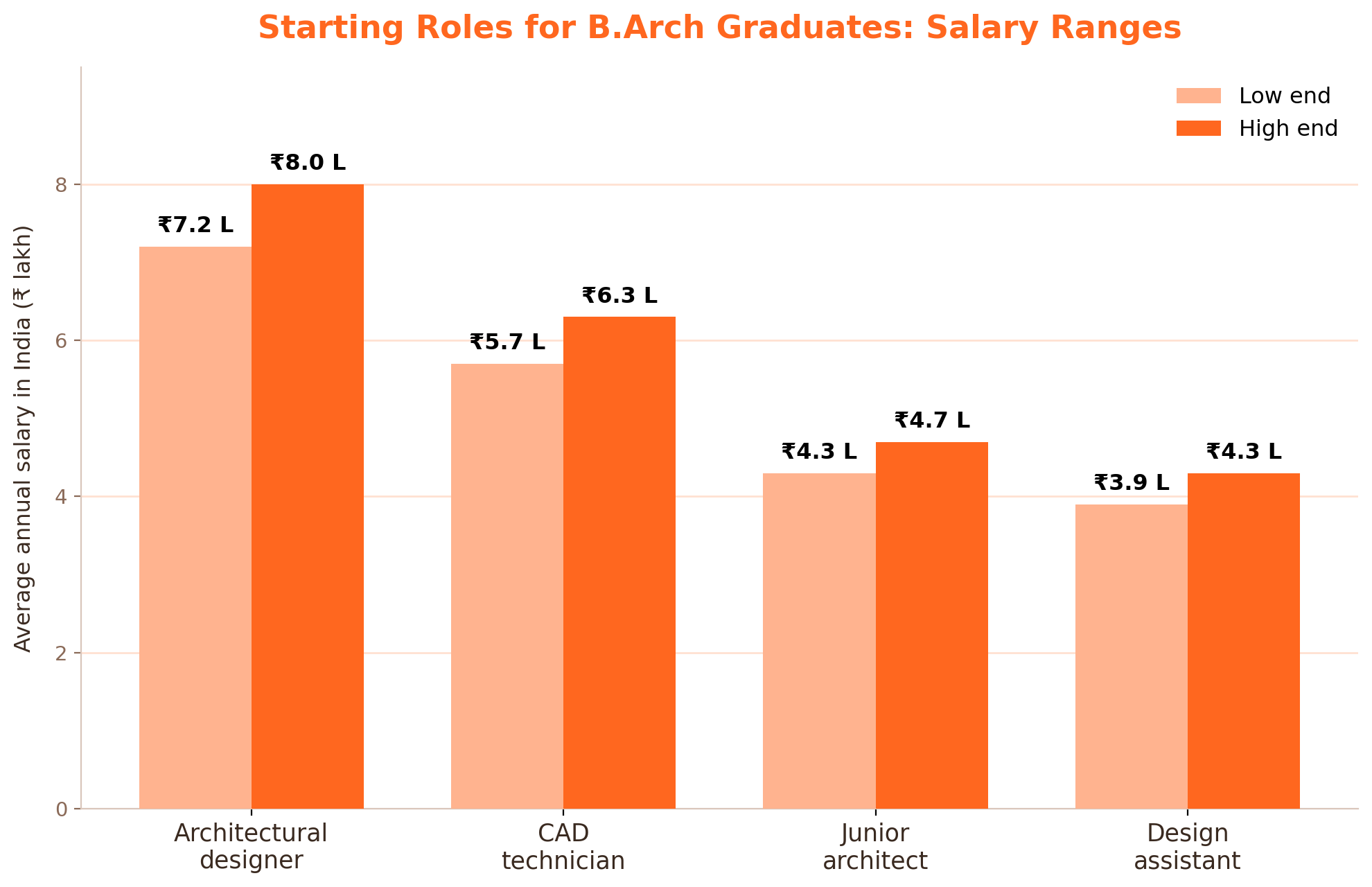
B.Arch graduates can start their careers as junior architects, architectural designers, CAD technicians, and design assistants.
- Junior Architect average salary in India: ₹4.3 L/yr – ₹4.7 L/yr
- Architectural Designers’ average salary in India: ₹7.2 L/yr – ₹8 L/yr
- CAD Technicians’ average salary in India: ₹5.7 L/yr – ₹6.3 L/yr
- Design Assistants’ average salary in India: ₹3.9 L/yr – ₹4.3 L/yr
With experience, architects can move into senior design roles, project management, architectural consultancy, or independent practice. Their earnings can increase as they develop technical skills and manage larger projects.
What is the average annual salary of Bachelor of Design students?
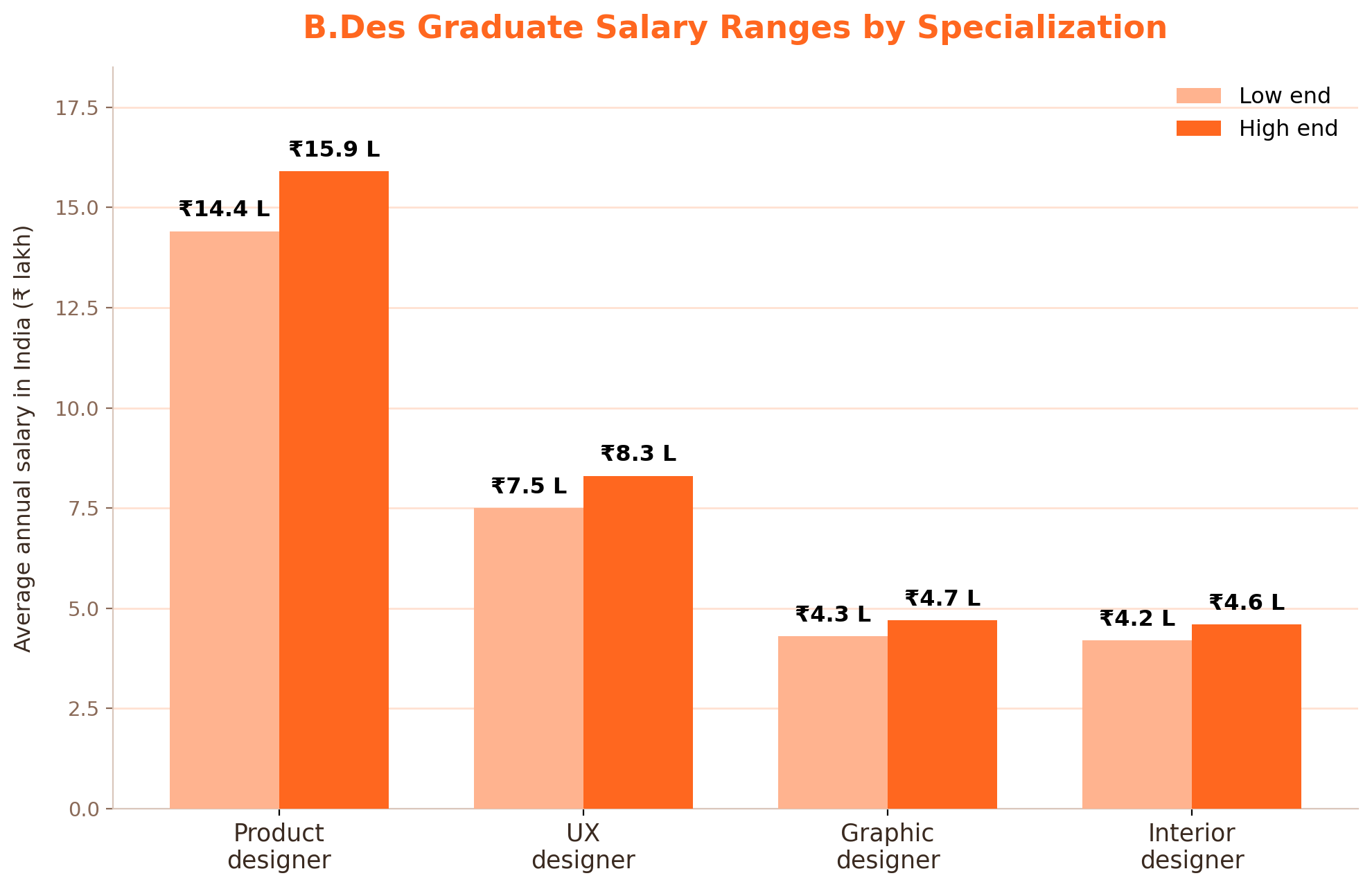
B.Des graduates can work in several industries, so their salaries depend heavily on their chosen specialization, such as UX and product design, graphic design, and interior design.
- UX designer average salary in India: ₹7.5 L/yr – ₹8.3 L/yr
- Product designer average salary in India: ₹14.4 L/yr – ₹15.9 L/yr
- Graphic designer average salary in India: ₹4.3 L/yr – ₹4.7 L/yr
- Interior designer average salary in India: ₹4.2 L/yr – ₹4.6 L/yr
For example, Woxsen University’s 2024 B.Des placement report recorded an average package of ₹6.3 LPA and a median package of ₹6 LPA. Its 2023 batch recorded an average package of ₹6.24 LPA.
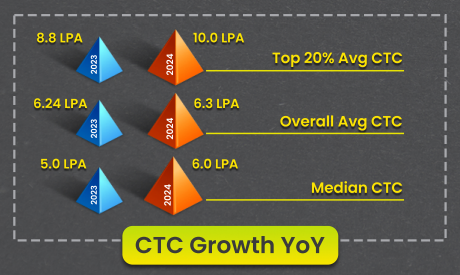
This shows that B.Des graduates can earn different salaries depending on their specialization and the institute they graduate from. Students who build strong portfolios, gain practical experience, and develop industry-relevant skills can improve their career opportunities.
3. Job availability
Job counts in this section come from LinkedIn searches run in November 2026. LinkedIn listings change every day, so treat these numbers as a snapshot, not a fixed count.
B.Arch job listings mainly cover architecture, interior architecture, and related building design roles. B.Des opportunities include UX, UI, graphic, visual, and product design roles across several industries.
Number of Bachelor of Architecture jobs on LinkedIn
Architecture appears to have a much larger pool of job listings on LinkedIn. A search for Architecture jobs in India returned 51,306 results.
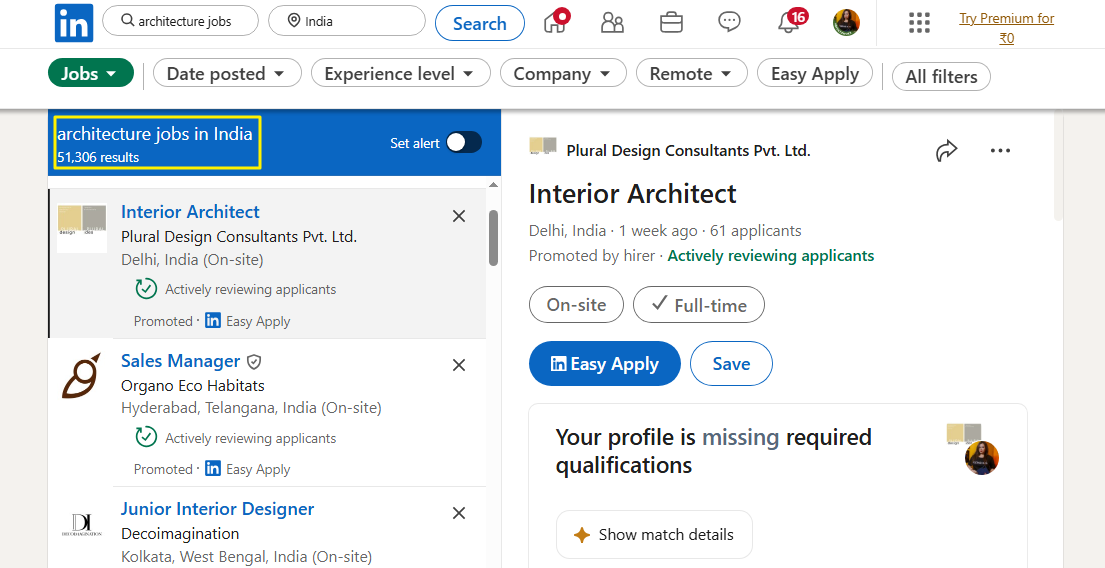
The interesting part is the range of roles included in these results. Along with architect positions, the search also showed interior architect, junior interior designer, and landscape architecture opportunities.
One example was an Interior Architect opening at Plural Design Consultants in Delhi. The company wanted candidates with a bachelor’s or master’s degree in architecture or interior design and 2 to 5 years of experience. The role involved hospitality space planning, design coordination, technical drawings, and client communication.
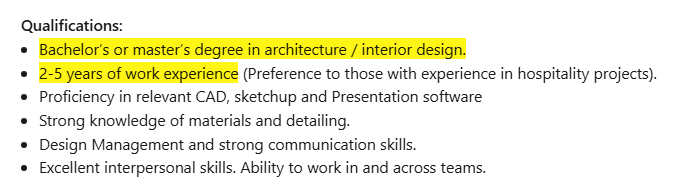
This gives a useful picture of what architecture employers expect. They look for people who can turn design concepts into detailed project plans and coordinate with different teams.
Number of Bachelor of Design jobs on LinkedIn
A LinkedIn search for Designer jobs in India showed 1,431 results. The search included roles such as UX/UI designers, graphic designers, visual designers, and product designers.
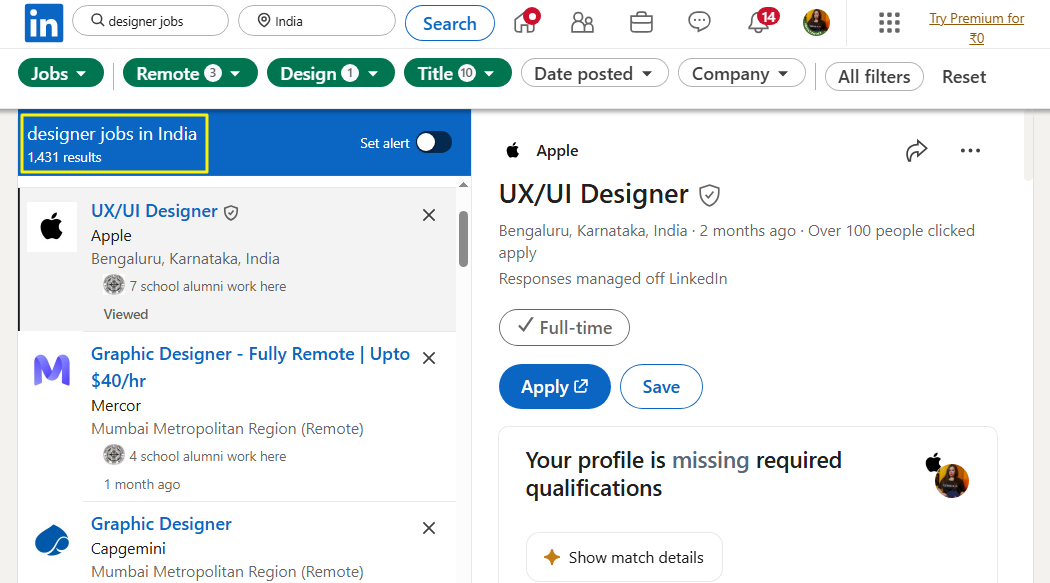
Some companies hiring for these positions included Apple, Capgemini, Accenture, Mercor, and RainFocus.
The job listings also show that employers look beyond a design degree. For example, Apple’s UX/UI Designer vacancy in Bengaluru listed the following requirements:
- A bachelor’s degree in a related field or equivalent professional experience.
- At least one year of UX/UI design experience.
- A portfolio demonstrating the user-centered design process.
- Knowledge of Figma, Sketch, or Adobe Creative Suite.
- Strong communication and collaboration skills.
- Experience with user research and working with engineering and product teams.
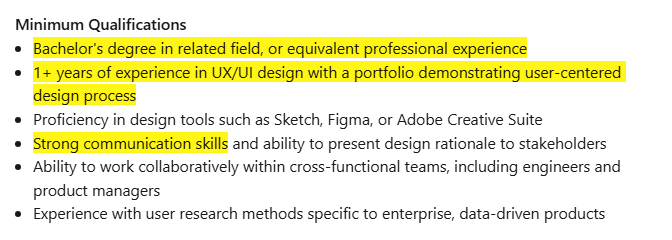
This suggests that B.Des graduates can explore opportunities across several industries. However, their degree alone may not be enough. Employers also expect practical skills, relevant project experience, and a strong portfolio.
4. Entrance exams and admission routes
The path into each degree is different, and the entrance exams test different skills. B.Arch admission runs through national aptitude tests with fixed eligibility rules, while B.Des admission runs through design entrance exams or institute-level tests.
How to get into B.Arch
Admission to B.Arch in India requires an aptitude test score. The two national routes are NATA, conducted by the Council of Architecture, and JEE Main Paper 2, conducted by the National Testing Agency. Most colleges accept NATA scores, while the NITs, SPAs and IITs admit through JEE Main Paper 2 counselling.
To be eligible, you must have passed Class 12 with Physics and Mathematics as compulsory subjects, plus one of Chemistry, Biology, Computer Science or a similar prescribed subject, with at least 45% aggregate marks. A 10+3 diploma with Mathematics as a compulsory subject is also accepted. Colleges then combine your entrance test score with your Class 12 marks, usually with equal weightage to each.
How to get into B.Des
B.Des admission is more flexible. Most programmes accept students from any Class 12 stream, including Science, Commerce and Arts, usually with around 50% aggregate marks. The two main national entrance exams are UCEED, conducted by IIT Bombay for B.Des seats at the IITs, and NID DAT, conducted by the National Institute of Design for its own campuses. NIFT runs its own entrance exam for fashion design programmes.
NID DAT runs in two stages, a Prelims round followed by a Mains round. UCEED allows a maximum of two attempts in consecutive years. Some institutes also run their own design aptitude tests, and a few IITs ask for a Science stream with Mathematics, so check the admission page of each college you apply to.
The key difference is that B.Arch has a fixed national eligibility rule set by the Council of Architecture, while B.Des eligibility varies by institute. If you studied Commerce or Arts in Class 12, B.Des keeps more doors open, since B.Arch requires Physics and Mathematics.
5. Course fees
Fees vary widely by college, and B.Arch costs more in total partly because it runs for five years instead of four. The figures below are total course fees, not per-year fees, and you should confirm the current fee structure on the college website before applying.
| B.Arch | B.Des | |
|---|---|---|
| Government colleges (total course fee) | ₹1 lakh to ₹10 lakh | ₹8 lakh to ₹18 lakh |
| Private colleges (total course fee) | ₹10 lakh to ₹23 lakh | ₹12 lakh to ₹40 lakh |
| Course length | 5 years | 4 years |
At the top government institutes, a B.Des seat at an IIT costs around ₹2 lakh per year in tuition, while NID Ahmedabad charges around ₹4.5 lakh per year. For B.Arch, the cheapest government seats cost under ₹1 lakh for the full course, while the most expensive private colleges charge over ₹20 lakh.
Fees alone should not decide your choice. A government B.Arch seat costs less than most B.Des seats, but the extra year means one more year before you start earning. Check whether the college offers scholarships, and add hostel and living costs to the tuition fee when you compare.
Frequently Asked Questions
Which is better, B.Arch or B.Des?
Neither degree is better in general. B.Arch suits students who want to design buildings and work in architecture, construction and urban planning, and it is the only route to becoming a licensed architect in India. B.Des suits students who want to work in product design, UX design, graphic design or fashion, where employers value a portfolio more than a specific degree.
Can a B.Des graduate become an architect?
No. Practising as an architect in India requires a B.Arch degree and registration with the Council of Architecture. A B.Des graduate can work in interior design, set design or related fields, but cannot sign off on architectural plans.
Which degree has a higher salary?
The ranges overlap. In the salary data above, B.Des product designers report the highest starting range, while B.Arch starting salaries are steadier across roles. In both fields, your portfolio, software skills and the city you work in matter more than the degree title.
Is B.Arch harder than B.Des?
They are demanding in different ways. B.Arch combines design with technical subjects such as structural design and building construction, and runs for five years. B.Des focuses on design thinking, user research and visual communication, and runs for four years. Students who enjoy mathematics and technical subjects usually find B.Arch more comfortable.
Can I switch from B.Arch to a design career later?
Yes. Many architects move into UX design, interior design and product design, and the design thinking and software skills from B.Arch transfer well. The reverse switch is harder, since architecture roles require the B.Arch degree itself.
Which course should I choose if I am still confused?
Choose B.Arch if you want to design buildings and are comfortable with Physics and Mathematics. Choose B.Des if you want a shorter course with more specialisations and are open to working in tech, media or fashion. If you are still unsure, try a short design course or internship before committing to a four or five year degree.
B.Arch vs B.Des: Which career is better for you?
If you enjoy designing buildings, planning spaces, and understanding construction, B.Arch can be the right choice.
If you prefer creating products, digital experiences, fashion, or visual designs, consider B.Des. Both offer different career paths, so choose based on your interests and strengths.
For students pursuing architecture, learning industry tools can add practical value to their degree. 👉 ASDAV’s 12-week Professional Revit & BIM Course helps architecture students and graduates learn Revit, BIM workflows, technical documentation, and architectural modeling through live sessions and real project assignments.
Further Reading
- Highest Paying Careers for Architecture Students in India
- 10 Practical Architecture Project Ideas For Students
- Career Opportunities After Learning Revit and BIM
- Revit vs AutoCAD: Which Software is Better For Freshers

Hitesh Kumar is a furniture and interior design professional working across design research, design consulting, and design education. An alumnus of the National Institute of Design (NID), his practice is rooted in strong design fundamentals, material understanding, and systems thinking.
His work spans furniture systems, spatial design, and material-driven detailing, ranging from bespoke furniture pieces to interior environments and production-oriented design.
Alongside his professional practice, Hitesh has taught at NID Haryana and NID Ahmedabad, guiding students in furniture design, interior design studios, and design software.
Through his studio and educational initiatives, Hitesh promotes rigorous yet practical design thinking, encouraging clarity, restraint, and long-term relevance. His work emphasizes critical reasoning, material intelligence, and the discipline of drawing and making.
Outside work, he spends time studying furniture precedents, refining design systems, and exploring how everyday objects and spaces influence human behavior.