Vastu Shastra Course: Basic to Advanced (Last 7 Seats Left)


Editorial Policy and standards of ASDAV
At ASDAV, we believe quality design education begins with accurate, updated, and practical information. As a result, every article, research article, tutoria,, student story, and industry report we publish is created to help architecture and interior design students develop real skills, understand industry trends, and make informed career decisions.
Our content covers architecture, interior design, BIM, Revit, AutoCAD, SketchUp, Vastu, AI in design, design software, portfolio building, career development, and related topics. Every piece is created by experienced architects, designers, educators, or subject matter experts who combine professional practice with teaching experience.
We follow a structured editorial process to ensure every article is accurate, practical, transparent, and up to date. Before publication, every piece is researched, written, reviewed, fact-checked, and edited to meet our editorial quality standards.
Let’s explore our 5-step content writing and editing process:
Step 1: Research Driven Content Planning
Every article begins with understanding what students, professionals, and employers are actively looking for.
ASDAV team researches a wide range of reliable sources to identify topics that solve real learning and career challenges. Before creating content, we evaluate information from:
- Search trends and commonly asked student questions.
- Industry reports and market research.
- Academic journals and published research papers.
- Software documentation from platforms such as Autodesk and SketchUp.
- Architecture and interior design communities.
- Discussions on platforms like LinkedIn, Reddit, and Quora.
- Hiring trends and evolving industry requirements.
Let us share some research and data-collection-driven blog articles:
Step 2: Expert Writing and Educational Content Creation
Once the research is complete, every topic is assigned to an author with relevant expertise in architecture, interior design, or a related discipline.
Unlike many educational websites that rely on general content writers, our articles are written by practicing professionals who actively work in the architecture and interior design industry.
Contributors include:
- Jasmine Ahluwalia, Licensed Architect, Interior Designer, Global Vastu Consultant, and Founder of ASDAV.
- Hitesh Kumar, Furniture and Interior Design Professional, Design Educator, and NID alumnus.
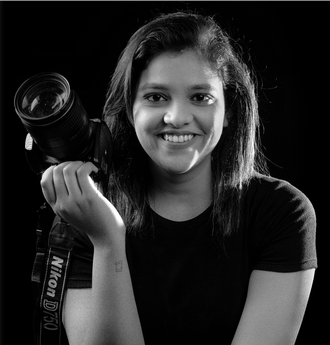
- Asmita Khodankar, Architect, Design Photographer, and Founder of Shades Studio by Asmita.
Instead of rewriting information already available online, our authors explain concepts through real project experience, classroom teaching, design research, professional workflows, and industry best practices. This ensures our readers learn from professionals who apply these concepts in their daily work.
Whether we publish software tutorials, career guides, portfolio advice, Vastu principles, design concepts, or industry insights, our objective is to create content that is accurate, practical, and immediately useful for students and professionals. Every article is written to help readers develop skills they can apply in their academic projects, design studios, and professional careers.
Step 3: Editorial Review and Fact Verification
Every article undergoes an independent editorial review before publication.
Our reviewers verify architectural concepts, interior design principles, software workflows, technical terminology, career recommendations, and statistical information to ensure every claim is accurate and supported by reliable evidence.
When an article includes research findings or market data, we validate the information against authoritative sources before approval.
Step 4: Publishing with Transparency
After editorial approval, every article is published with complete transparency.
Each page clearly identifies the author, reviewer, publication date, and latest update date so readers can understand who created the content and when it was last evaluated.
In addition to educational resources, we also publish first hand learning experiences from our students. These stories document their learning journey, portfolio development, career growth, and professional achievements after training with ASDAV.
Our Student Stories feature learners such as Parag Mandpe, Neetika Varshney, and Muskan Kataria, who share their experiences in their own words. These articles help prospective students understand what they can expect from the learning process through authentic experiences instead of promotional claims.
Step 5: Continuous Content Audits and Updates
Architecture, interior design, AI tools, and design software continue to evolve. To ensure our content remains accurate and relevant, our editorial team conducts a comprehensive audit of published articles every 3 to 6 months.
During each review, we verify facts, refresh industry statistics, update software workflows, improve explanations, replace outdated screenshots when necessary, and expand articles with new insights based on recent developments.
When significant updates are made, we revise the article’s latest update date so readers can easily identify when the content was last reviewed.
Contact Our Editorial Team
If you have feedback, would like to suggest a topic, report an error, or share ideas that could improve our educational resources, we would love to hear from you.
Your feedback helps us maintain high editorial standards and continue creating practical learning resources for the architecture and interior design community.
- Phone: +91-9217141316
- Email: hello@asdav.com